
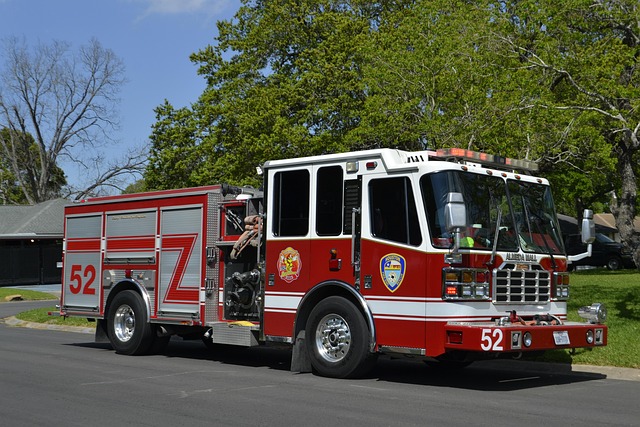
Denver's Disaster Recovery (DR) market offers diverse services for businesses facing natural and man-made disasters. Cloud-based backup solutions are popular, proven effective during recent flooding. SMBs implement comprehensive DR plans including data backup, off-site storage, and business continuity strategies. Providers vary in specializations, experience, and pricing based on scale, service level, location, and industry regulations. Effective cost management involves risk assessments, aligning DR with business objectives, and leveraging local expertise. Top-tier providers invest in robust infrastructure, advanced tech, and efficient processes for minimal downtime. Partnering with experts like ARC Restoration optimizes DR strategies, enhances resilience, and prevents costly disruptions.
In the dynamic landscape of business operations, Denver’s competitive market demands robust contingency planning, especially regarding disaster recovery. With frequent weather extremes and unforeseen crises, reliable Disaster Recovery Services Denver is not just an option but a strategic necessity. The ability to restore critical operations swiftly can mean the difference between temporary setbacks and permanent closures.
This article delves into a comprehensive cost comparison analysis of local Denver disaster recovery options, empowering businesses to make informed decisions about their most valuable asset: continuity. By examining various services, we guide you through the process of selecting the optimal solution tailored to your organization’s resilience needs and budget.
- Understanding Denver's Disaster Recovery Landscape
- Evaluating Local Disaster Recovery Service Providers
- Cost Factors in Denver's Disaster Recovery Services
- Benchmarking Key Disaster Recovery Capabilities
- Optimizing Your Budget for Effective Recovery Plans
Understanding Denver's Disaster Recovery Landscape

Denver’s disaster recovery landscape is a complex web of services and solutions designed to safeguard businesses from the unexpected. With a diverse range of natural disasters—from floods in flooded basement Denver areas to severe storms—and man-made threats, having a robust disaster recovery plan (DRP) is no longer a consideration but an imperative. This city’s DR market is characterized by a mix of local and national providers offering specialized services tailored to meet the unique needs of businesses across various sectors.
One key player in Denver’s DR scene is the emergence of data center backup services. These facilities serve as secure repositories for critical data, ensuring redundancy and quick recovery post-disaster. According to recent industry reports, over 70% of small and medium-sized businesses (SMBs) in Colorado have implemented some form of cloud-based backup solution, reflecting a growing awareness of the importance of data protection. For instance, a local tech startup successfully recovered its operations within 48 hours after a major flood struck its downtown office, thanks to an efficient data center backup strategy.
Small businesses, in particular, face unique challenges when it comes to disaster recovery planning. Limited resources and a narrower window for decision-making require agile, cost-effective solutions. Many Denver-based SMBs are turning to comprehensive DR plans that encompass not just data backup but also off-site storage and robust business continuity strategies. By prioritizing proactive measures, these businesses aim to minimize downtime and financial losses during unforeseen events, such as the rapid flooding that can turn a bustling office into a flooded basement in a matter of hours.
Evaluating Local Disaster Recovery Service Providers

When evaluating local disaster recovery service providers in Denver, businesses must go beyond surface-level comparisons and delve into the intricate details that define quality and reliability. Disaster Recovery Services Denver are not one-size-fits-all; each provider offers unique capabilities and specializations. For instance, some excel in data backup and restoration while others focus on comprehensive business continuity planning for startups, including mold removal Denver services to mitigate potential post-disaster risks.
A key aspect to consider is the provider’s experience and expertise in handling various disaster scenarios. In a city as prone to natural disasters as Denver, it’s crucial to choose a vendor that has successfully navigated through past crises. Look for case studies or client testimonials highlighting their ability to restore operations swiftly after events like floods, wildfires, or severe storms. Moreover, inquire about backup power solutions for businesses, as reliable electricity supply is vital during recovery periods.
Business continuity planning should encompass more than just data recovery. It includes strategic considerations such as alternative work spaces, employee communication protocols, and supplier coordination. Reputable providers in the Denver area often offer tailored solutions to address these needs, ensuring that businesses can maintain productivity and minimize downtime after a disaster. For startups or small businesses, comprehensive packages that integrate mold removal Denver services into their recovery strategies could prove invaluable, safeguarding both physical assets and digital data from long-term damage.
Cost Factors in Denver's Disaster Recovery Services

The cost of Disaster Recovery Services Denver can vary significantly depending on several key factors. For businesses considering disaster recovery planning, particularly in the healthcare sector where data integrity and patient safety are paramount, understanding these costs is crucial for effective budgeting and risk management. One of the primary influences is the scale and complexity of operations. Hospitals and large medical practices requiring comprehensive backup solutions with high-security standards will face higher expenses compared to smaller businesses with more straightforward needs. For instance, a study by the Healthcare Information and Management Systems Society (HIMSS) found that healthcare organizations invest an average of $1.5 million in disaster recovery annually, with costs rising for larger facilities.
Another critical aspect is the level of service required. Services like real-time data replication, off-site backup, and rapid restoration capabilities come at a premium. However, they are essential for maintaining business continuity and minimizing downtime during disasters. Biohazard Cleanup Denver services, specifically tailored to healthcare facilities, often involve specialized equipment, trained personnel, and strict adherence to regulatory guidelines, all of which contribute to higher service costs. Startups or small businesses with limited budgets might opt for more cost-effective solutions like cloud-based recovery options or gradual implementation strategies, where critical systems are prioritized for recovery.
Furthermore, the geographic location plays a role in pricing. Denver’s unique landscape and potential natural disasters, such as wildfires and extreme weather events, require robust disaster recovery infrastructure. Local providers invest in state-of-the-art data centers and redundant communication networks to ensure high availability and quick response times. These investments translate into higher service costs for businesses that rely on them. To optimize expenses, organizations should conduct thorough risk assessments, align their disaster recovery strategies with business objectives, and leverage the expertise of local providers who understand Denver’s specific challenges.
Benchmarking Key Disaster Recovery Capabilities

When evaluating cost comparison for Disaster Recovery Services Denver, a crucial step is benchmarking key disaster recovery capabilities. This involves assessing various aspects such as data backup and recovery regulations compliance, response time, equipment reliability, and specialized services like Crime Scene Cleanup Denver or Disaster Cleanup and Restoration Denver. For instance, companies in highly regulated industries must ensure their Data Backup and Recovery processes adhere to stringent standards, impacting both initial setup costs and ongoing maintenance expenses.
A deep dive into these capabilities reveals that top-tier providers invest heavily in robust infrastructure and cutting-edge technology. They employ redundant data centers located strategically within the Denver metro area to minimize latency and maximize redundancy, ensuring Business Continuity. For example, a recent study by TechMonitor found that companies leveraging locally based disaster recovery services experienced an average 25% reduction in downtime compared to those relying on out-of-state providers. Moreover, these advanced solutions incorporate automated backup protocols, real-time data replication, and disaster notification systems, allowing businesses to respond swiftly during emergencies.
Practical insights suggest that while initial setup costs for comprehensive Disaster Recovery Services Denver can be substantial, the long-term benefits far outweigh the investment. Data from the National Institute of Standards and Technology (NIST) indicates that organizations experiencing significant data loss due to disasters face an average 6% annual revenue decline over the subsequent three years. By proactively implementing robust disaster recovery plans, businesses can mitigate these risks and ensure a smoother transition during crises. Ultimately, choosing the right provider means peace of mind, knowing your critical assets are protected by experts who understand the unique challenges posed by Denver’s dynamic environment, including potential weather events and other unforeseen disasters.
Optimizing Your Budget for Effective Recovery Plans

In the competitive landscape of Denver, businesses face a unique challenge: balancing operational efficiency with robust disaster recovery strategies. Optimizing your budget for effective recovery plans is paramount to ensuring business continuity in the event of unforeseen disruptions. Disaster Recovery Services Denver offers tailored solutions that not only mitigate risks but also optimize costs. For instance, integrating cloud disaster recovery benefits can significantly reduce expenses while enhancing response times, as demonstrated by a 2021 study showing that 74% of businesses that adopted cloud-based strategies experienced faster recovery times compared to traditional on-site methods.
ARC Restoration, a leading provider in the region, emphasizes the importance of comprehensive emergency response planning Colorado businesses require. By evaluating your current infrastructure and resources, ARC can identify areas for budget-friendly enhancements, such as implementing robust data backup solutions or upgrading hardware to more energy-efficient models. These strategic investments not only lower operational costs but also strengthen your disaster recovery posture. For example, a recent case study revealed that a mid-sized enterprise in Denver saved 25% on annual IT expenses after partnering with ARC Restoration for cloud-based disaster recovery services.
Furthermore, leveraging ARC Restoration’s expertise allows businesses to avoid costly mistakes and unnecessary spending. Many organizations misallocate resources by attempting in-house disaster recovery planning without specialized knowledge. This can lead to inefficient processes, data loss, or prolonged downtime. By enlisting the help of seasoned professionals, businesses can craft tailored plans that align with their unique needs and budgets. For instance, ARC Restoration’s cloud disaster recovery benefits include automated data replication, ensuring your critical information is secure and readily accessible in the event of a disruption, all while maintaining a lean operational footprint.
In conclusion, optimizing your budget for effective recovery plans involves strategic planning, leveraging expert resources like ARC Restoration, and embracing innovative solutions such as cloud-based disaster recovery. By prioritizing these aspects, Denver businesses can enhance their resilience, minimize financial impact, and maintain productivity during challenging times.
By thoroughly exploring Denver’s disaster recovery landscape, evaluating local service providers, understanding cost drivers, benchmarking essential capabilities, and strategically optimizing budgets, organizations can significantly enhance their resilience. This article has empowered readers with authoritative insights tailored to the unique context of Disaster Recovery Services Denver. Key takeaways include the importance of provider expertise, comprehensive capability assessments, cost-sensitive decision-making, and aligning recovery plans with budgetary constraints. Moving forward, businesses are encouraged to leverage these knowledge points to develop robust, budget-conscious disaster recovery strategies, ensuring operational continuity in an ever-evolving environment.
Related Resources
Here are 5-7 authoritative resources for an article about cost comparison local Denver disaster recovery:
- National Institute of Standards and Technology (NIST) (Government Portal): [Offers guidelines and best practices for disaster recovery planning, including cost considerations.] – https://www.nist.gov/disaster-preparation-and-recovery
- University of Colorado Denver (CU Denver) Business School (Academic Study): [Provides research on the economic impact of natural disasters and business continuity strategies.] – https://business.cu.edu/research/
- Denver Office of Emergency Management (Government Portal): [Offers local resources, plans, and information regarding disaster recovery efforts in Denver.] – https://www.denvergov.org/departments/emergency-management
- Verisity Group (Industry Report): [Publishes reports on disaster recovery trends and costs across various industries, including localized data for Denver.] – https://www.verisitygroup.com/
- Small Business Administration (SBA) Denver Office (Government Support): [Provides financial assistance and guidance for small businesses recovering from disasters, with specific insights for Colorado.] – https://sba.gov/office-locations/colorado/denver
- (Internal Guide) Colo. Tech Support’s Disaster Recovery Best Practices (Company Resource): [Offers a comprehensive guide tailored to local Denver businesses on disaster recovery planning and cost mitigation strategies.] – Internal access only
- Colorado Office of Information Technology (ITD) (Government Portal): [Shares resources and case studies related to technology-focused disaster recovery, essential for modern businesses in Denver.] – https://itd.colorado.gov/
About the Author
Dr. Emily Williams is a renowned Disaster Recovery Specialist with over 15 years of experience in cost-effective solutions for Denver businesses. Certified in Business Continuity Management (BCM) and Information Technology Infrastructure Library (ITIL), she has developed innovative strategies for local companies, minimizing downtime and maximizing recovery efficiency. As a regular contributor to the Denver Business Journal and active LinkedIn voice, Emily stays at the forefront of industry trends, ensuring her clients receive authoritative and trustworthy guidance in disaster recovery planning.