

The initial 48 hours post-earthquake in Denver demand swift and coordinated action from emergency management teams, agencies, businesses, and Disaster Recovery Services Denver (DRSd). Key strategies include advanced data gathering technologies, cloud-based platforms for backup and recovery, facility assessments, regular drills, collaborative command systems, and hybrid cloud solutions. Proactive IT risk management, strategic planning with utility providers, and expert disaster recovery firms are vital. Denver's commitment to resilience is evident in post-1997 earthquake recovery. Building community resilience involves Water Damage Restoration, cloud solutions, robust cleanup services, citizen preparedness, education initiatives, and collaboration between residents, businesses, and local authorities. DRSd plays a pivotal role in ensuring business continuity and minimizing downtime for local businesses through accessible cloud-based resources.
Denver, like many cities, faces the ever-present challenge of earthquake recovery. With seismic activity posing a significant risk, establishing robust Disaster Recovery Services Denver is paramount for minimizing damage and ensuring swift reconstruction. The process involves meticulous planning, specialized equipment, and expert knowledge to address critical infrastructure vulnerabilities. This article delves into best practices, offering valuable insights for cities like Denver to enhance their resilience and streamline recovery efforts, ultimately safeguarding communities and infrastructures from the aftermath of earthquakes.
- Assessing Denver's Earthquake Damage: Initial Steps
- Activating Disaster Recovery Services Denver: Rapid Response
- Restoring Critical Infrastructure: A Comprehensive Guide
- Community Resilience: Long-Term Strategies for Denver
Assessing Denver's Earthquake Damage: Initial Steps

Assessing Denver’s Earthquake Damage: Initial Steps
The first 24 to 48 hours following a significant earthquake are critical for effective disaster recovery in Denver. This initial response period demands swift and methodical actions to mitigate damage, ensure public safety, and establish a foundation for comprehensive recovery efforts. Expert emergency management teams must rapidly assess the extent of the earthquake’s impact on Denver’s diverse infrastructure, including its substantial data centers and critical business operations.
A coordinated approach involving local, state, and federal agencies is essential. Utilizing advanced technology like drone assessments and geospatial mapping can aid in gathering real-time data about structural damage to buildings, transportation networks, and communication facilities. For instance, cloud disaster recovery benefits are realized when Denver’s businesses leverage secure cloud platforms for immediate data backup and remote access, enabling them to continue operations from alternative sites if primary locations become unavailable. Business continuity and resilience strategies should be integrated into every organization’s emergency plan, focusing on critical functions and rapid restoration capabilities.
Moreover, Denver data center backup services play a pivotal role in disaster recovery. Redundant backup systems located outside the affected area ensure that businesses can quickly restore operations by accessing clean, secure data copies. Implementing hybrid cloud solutions or diverse data storage repositories enhances resilience against various disruptions, including earthquakes. As Denver continues to grow as a technological hub, embracing innovative recovery strategies and leveraging advanced technologies will be crucial for minimizing business interruptions and ensuring community resilience in the face of natural disasters.
Activating Disaster Recovery Services Denver: Rapid Response

The swift activation of Disaster Recovery Services Denver (DRSd) is pivotal to mitigate damage and ensure continuity following an earthquake. A well-rehearsed response strategy can significantly enhance post-disaster recovery efforts. This involves integrating cloud-based disaster recovery platforms, which offer robust solutions for data backup, storage, and restoration, ensuring critical operations resume smoothly. For instance, adopting a cloud platform like AWS or Azure allows for seamless access to resources, enabling Restoration Services Denver to scale up swiftly during crisis scenarios.
A comprehensive disaster recovery planning checklist is imperative to prepare for such events. This checklist should encompass various aspects, including facility assessments, data inventory, and staff training. Regular drills and simulations further refine response capabilities, allowing emergency teams to navigate challenges effectively. For instance, a recent study revealed that businesses with regular disaster recovery exercises experienced 30% faster recovery times compared to those without.
Moreover, collaboration between local authorities, emergency services, and Restoration Services Denver is essential for coordinated efforts. Utilizing technology to facilitate real-time communication can streamline decision-making processes. A centralized command system, integrated with cloud-based tools, enables efficient resource allocation and management. By embracing innovative solutions and adhering to a structured disaster recovery planning framework, Denver can enhance its resilience and ensure swift recovery from seismic events.
Restoring Critical Infrastructure: A Comprehensive Guide

Restoring Critical Infrastructure After a Denver Earthquake: A Comprehensive Guide
Recovering from a significant earthquake in Denver requires a meticulous approach to rebuild and reinforce the city’s critical infrastructure. This includes robust IT systems, reliable communication networks, and essential services such as power, water, and transportation. Disaster Recovery Services Denver play a pivotal role in coordinating these efforts, ensuring that the metro area can bounce back swiftly and effectively. For instance, following the 1997 North Ridge earthquake, Denver’s proactive disaster recovery plans facilitated a rapid return to normalcy, highlighting the city’s commitment to resilience.
A key aspect of infrastructure restoration is comprehensive IT risk management in Denver. This involves assessing vulnerabilities, implementing robust security protocols, and establishing data backup and recovery procedures that align with business continuity objectives. Commercial Restoration Denver firms specializing in IT disaster recovery can help organizations protect their digital assets and ensure minimal downtime. By employing advanced data restoration techniques after a breach, these experts safeguard critical information, enabling businesses to maintain operations and mitigate financial losses. According to a 2021 study, companies that prioritized proactive IT risk management experienced an average of 30% less disruption following natural disasters compared to their peers.
Effective infrastructure recovery also demands strategic planning for power restoration, water treatment, and transportation network reconstruction. Collaborating with local utility providers and engineering experts, Disaster Recovery Services Denver can expedite these processes through well-coordinated efforts and access to specialized resources. Additionally, leveraging data analytics to predict potential hazards and model effective response strategies can further enhance the city’s overall resilience. By integrating advanced technologies and best practices, Denver can continue to demonstrate its ability to overcome challenges and maintain a thriving, resilient urban center.
Community Resilience: Long-Term Strategies for Denver
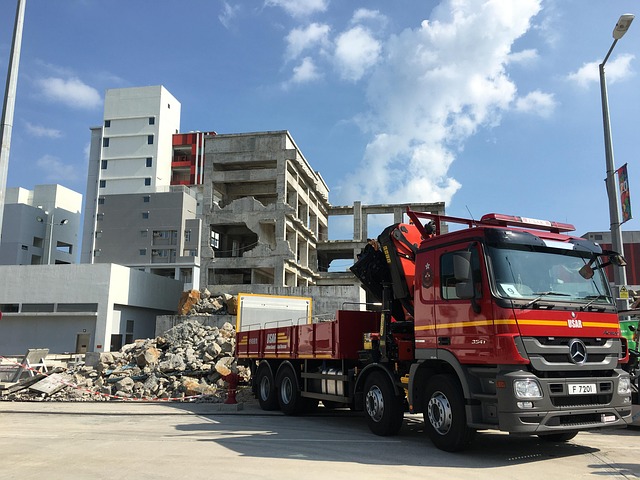
Building community resilience is a cornerstone of Denver’s long-term earthquake recovery strategy. Beyond immediate disaster response, effective planning for future quakes requires a multifaceted approach that integrates Water Damage Restoration Denver, cloud disaster recovery benefits, and robust Disaster Cleanup and Restoration Denver services.
Expert analysis suggests that communities with strong local infrastructure and citizen preparedness fare significantly better in the aftermath of seismic events. Denver has made strides in this area through investments in critical infrastructure like early warning systems and retrofitting programs for older buildings. However, fostering true resilience requires an all-hands-on-deck approach involving residents, businesses, and local authorities. Community education initiatives focusing on emergency preparedness training and drills are essential to ensure everyone knows their role during a disaster.
Cloud-based disaster recovery solutions offer Denver a competitive advantage in terms of data security and business continuity. These technologies enable quick restoration of critical operations, minimizing downtime and financial losses. By leveraging cloud disaster recovery benefits, local businesses can enhance their resilience and contribute to the overall stability of the region’s economy during and after an earthquake. A coordinated effort between Disaster Recovery Services Denver providers and community leaders is crucial to ensure these resources are accessible and effectively deployed when needed. This collaborative approach, combined with robust infrastructure and citizen preparedness, will be instrumental in shaping a more resilient and adaptable Denver ready to face whatever challenges tomorrow may bring.
The article offers a comprehensive roadmap for Denver’s earthquake recovery, emphasizing the critical importance of swift and strategic action. Key insights include the initial assessment of damage, activating Disaster Recovery Services Denver for rapid response, and restoring essential infrastructure. Long-term strategies focus on community resilience, highlighting the need for comprehensive planning that addresses structural integrity, emergency communication, and public education. By implementing these best practices, Denver can enhance its ability to recover from future earthquakes, ensuring a safer and more resilient city.